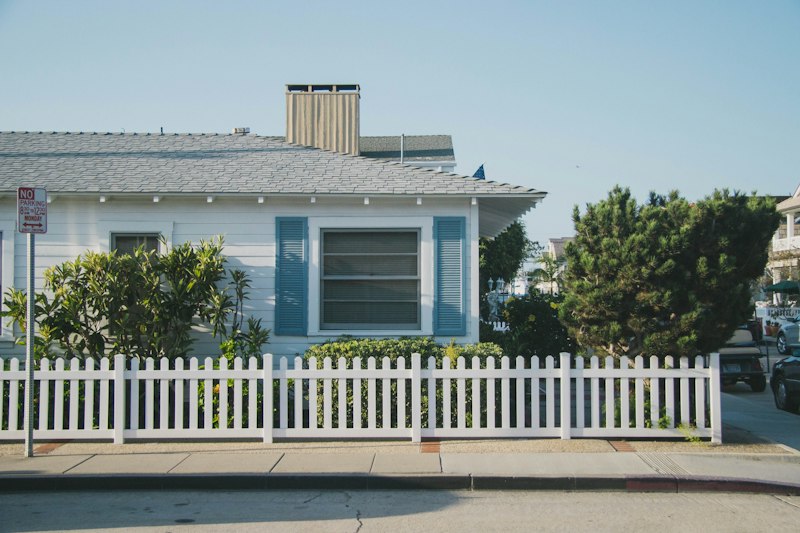
The Direct Answer
No. Under Rhome's co-ownership model, a co-owner cannot rent out their room, suite, or any portion of the home to an outside party. This is not a loophole or a default rule that can be waived. It is a hard requirement written into the Governance Agreement that every co-owner signs, and it is reinforced by the primary residence terms of most home purchase loans.
This question comes up often, and it makes sense that it does. If you own a share of a home and you have a bedroom you are not using for a stretch, it feels logical to offset your costs by putting it on a short-term rental platform or finding a month-to-month tenant. The logic is understandable. The rule is still no, and the reasons behind it are substantive.
---
Why Rhome Prohibits Subleasing
Three distinct frameworks converge to make subleasing incompatible with Rhome's model. Understanding each one helps explain why the rule is firm rather than flexible.
1. The Primary Residence Requirement
Rhome is a primary-residence co-ownership platform. That phrase is not just a branding choice. It defines the legal and financial architecture of every transaction.
When you purchase a home through Rhome, all co-owners are required to occupy the property as their primary residence. This means you live there as your main home. You receive mail there. You claim it on your taxes. It is not a second home and it is not an investment property.
Allowing any co-owner to sublet their space converts part of the property into a rental unit. The moment a paying tenant who is not a co-owner moves in, the home no longer functions purely as a primary residence. That shift has downstream legal, tax, and mortgage consequences that affect every person on the title.
2. FHA Loan Terms and Owner-Occupancy Rules
Many co-owners use FHA financing to purchase their ownership share. FHA loans come with an owner-occupancy requirement: the borrower must occupy the property as their principal residence, typically within 60 days of closing, and must continue to use it as their primary home.
The FHA's guidelines draw a clear line between owner-occupied properties and rental properties. Renting out a room to a third party does not automatically convert the entire property to a rental in every scenario, but doing so in a way that suggests the borrower is not genuinely occupying the home as their primary residence can constitute a violation of the mortgage's occupancy covenant.
More specifically, if a co-owner vacates their portion of the home and places a paying tenant there, that co-owner is likely no longer meeting the owner-occupancy standard. FHA lenders can call a loan in default if they discover a borrower has ceased to occupy the property as their principal residence. In a co-ownership context, that creates risk not just for the subletting co-owner but potentially for the shared mortgage and title structure.
Conventional loans carry similar occupancy covenants. If you obtained financing with a primary residence rate, renting out your portion of the home while not occupying it yourself may constitute misrepresentation of occupancy status.
3. Co-Owner Fairness and the Governance Agreement
Beyond the lending rules, subleasing creates real problems for the people you share the home with.
The co-ownership legal structure is built on the premise that all occupants have agreed to share a home together. Co-owners go through a compatibility process. They agree to shared norms, rules about common areas, quiet hours, guests, and daily life. They made their decision based on who they were agreeing to live with.
Allowing one co-owner to unilaterally install a stranger as a tenant disrupts that entire arrangement. The other co-owners did not agree to live with an unknown third party. They did not vet that person. They have no contractual relationship with them. And they have no meaningful recourse if that person's behavior affects their use and enjoyment of the home.
The Governance Agreement prohibits subleasing specifically to protect this co-owner relationship. It is a use restriction, not an inconvenience. A co-owner who subleases their room without consent is not just bending a rule. They are unilaterally changing the nature of the living arrangement for everyone else in the home.
State landlord-tenant law adds another layer of complexity. In many states, once a paying tenant has occupied a space for a defined period, they acquire rights under local tenant protection statutes regardless of any agreement between co-owners. Evicting a subtenant can be a formal legal process requiring notice periods and, in some jurisdictions, just-cause requirements. This creates a situation where the other co-owners may be stuck with a tenant they never agreed to, with limited ability to remove that person.
---
What Co-Owners CAN Do With Their Space
The no-subleasing rule applies to paying, independent tenants. It does not prohibit all use of your space.
You can have overnight guests. The Governance Agreement distinguishes between guests and tenants. Having a friend, partner, or family member stay for a reasonable period is a normal part of living in a home. Most Governance Agreements specify a maximum number of consecutive nights a non-owner guest may stay before the arrangement starts to look like an occupancy situation. Thirty consecutive days is a common threshold, though this varies by agreement.
You can share your life as you normally would. A partner who stays frequently, a family member visiting for a few weeks, or a colleague crashing for a long weekend are all within the spirit of normal residential use.
You can negotiate with your co-owners. If your circumstances change significantly and you need flexibility, the path forward is a conversation with your co-owners and, if appropriate, an amendment to the Governance Agreement reviewed by a real estate attorney. This is not a guarantee of any particular outcome, but structured co-ownership relationships have governing documents precisely so that unusual situations can be addressed deliberately.
---
What Happens if a Co-Owner Violates the Use Restriction
The Governance Agreement is a legally binding contract. Violating its use restrictions is a breach.
If a co-owner subleases their room in violation of the agreement, the other co-owners have several potential remedies:
- Demand to cure. They can formally notify the breaching co-owner and demand the subletting arrangement end within a specified period.
- Buyout trigger. Many Governance Agreements include provisions that allow co-owners to trigger a forced buyout process when another owner materially breaches the agreement. This can result in the breaching co-owner being required to sell their share.
- Legal action. Co-owners can pursue damages in civil court if the breach has caused financial or other harm.
- Mortgage default consequences. If the subletting violates the mortgage's occupancy covenant, the lender may take action that affects all co-owners, not just the one who sublet.
State law varies on how landlord-tenant protections interact with these remedies. In cities with strong tenant protection ordinances (San Francisco, New York, Los Angeles, and others), a subtenant who has occupied a space for even a short period may have rights that complicate removal. This is one reason the Governance Agreement's prohibition exists upfront: preventing subleasing is far simpler than addressing its consequences.
---
How the Governance Agreement Handles Guest Stays vs. Subletting
The distinction between a guest and a subtenant is one of the more nuanced areas of co-ownership agreements, and it is worth understanding clearly.
A guest is someone who is present at the invitation of a co-owner but who has no independent right to occupy the property, pays no rent, and has no formal or informal tenancy. A guest leaves when the host co-owner's circumstances dictate. The other co-owners retain their full rights under the agreement regardless of how long the guest stays.
A subtenant (or sublessee) is someone who pays for the right to occupy a space, even informally. The payment does not need to be formal rent. An arrangement where someone is covering utilities, groceries, or other costs in exchange for a place to stay can constitute a tenancy under many states' landlord-tenant laws. In those cases, the guest has become a tenant in the eyes of the law, and the tenant-protection framework applies.
Well-drafted Governance Agreements address this directly. They specify:
- The maximum consecutive nights a non-owner may stay without triggering a review
- That no co-owner may receive payment of any kind from a non-owner for occupancy
- That extended occupancy by a non-owner requires written consent from all co-owners
- That violations of guest policies may constitute a material breach of the agreement
If you are reading your Governance Agreement and the guest-versus-subletting distinction is unclear, that is a question to raise with a real estate attorney before the arrangement closes.
---
If Your Situation Requires Rental Income Flexibility
It is worth being direct here. If rental income is a meaningful part of how you plan to afford a home, Rhome's primary-residence co-ownership model may not be the right fit.
That is not a criticism. Different housing arrangements serve different needs. Here are the realistic alternatives to consider:
House hacking (sole ownership). If you own a property outright or as the sole borrower, you have more latitude to rent rooms, subject to local zoning, HOA rules, and your mortgage terms. Owner-occupant borrowers can rent rooms under FHA guidelines in some cases, but the property must still be their primary residence and they must continue to occupy it. The rules are detailed and state-specific.
Investment property purchase. If rental income is the goal, purchasing a property as an investment rather than a primary residence is a more straightforward path. Investment property financing carries different rates and requirements, and the legal framework around tenant relationships is clearer.
Accessory dwelling units. Some properties include or allow for an ADU (accessory dwelling unit, also called a granny flat, in-law unit, or backyard cottage). In a co-ownership context, any rental of an ADU would still require agreement among all co-owners and review against both the Governance Agreement and the mortgage terms.
If you are on the fence about whether Rhome's model fits your situation, how Rhome works is a good place to understand the full picture before making a decision.
---
Key Takeaways
- Under Rhome's model, subleasing any portion of the home to an outside party is prohibited.
- The prohibition comes from the Governance Agreement, from mortgage occupancy covenants, and from the nature of primary-residence co-ownership.
- Guests are permitted. Paying tenants are not.
- Violating the use restriction is a breach of the Governance Agreement and may have mortgage and legal consequences.
- If rental income is a core part of your housing strategy, evaluate whether primary-residence co-ownership is the right structure before committing.
---
Frequently Asked Questions
See the FAQ section below.