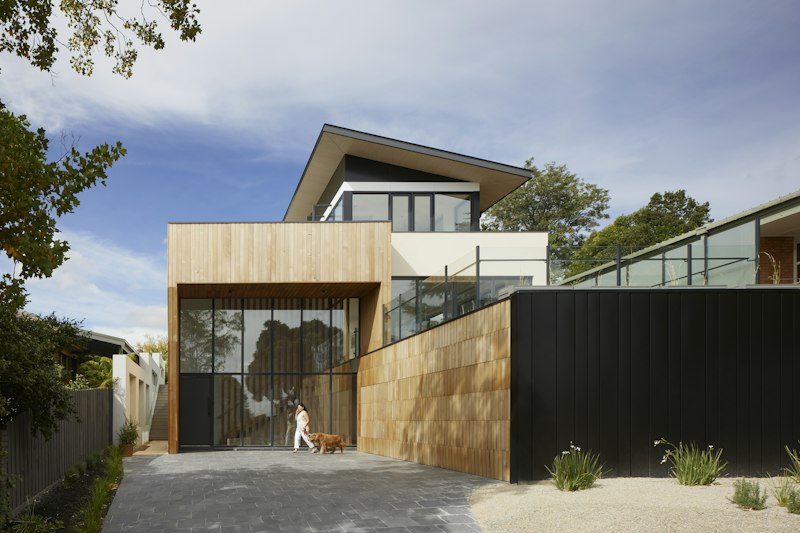
If you are shopping for a home and you come across one marked as LEED certified, you are looking at a property that has been evaluated by an independent third party against a detailed set of energy, environmental, and occupant health standards. The certification is administered by the U.S. Green Building Council, a nonprofit organization that developed the LEED rating system. For a home to carry a LEED label, it has to earn it through a documented process that includes design review, third-party verification, and post-construction testing.
For co-buyers, a LEED-certified home carries specific implications. The lower operating costs can make the numbers work better for a group splitting shared expenses. The higher purchase price is a real factor in the co-ownership math. And the maintenance requirements that come with high-performance systems are not optional; they are part of what keeps the home performing the way it was designed to. This guide explains what LEED means in practice and how co-owners should think about it when evaluating a home.
What LEED Is
LEED stands for Leadership in Energy and Environmental Design. It is a certification system, not a building code. Meeting code is the legal floor. LEED is an elective standard that builders and developers pursue because it signals a higher level of performance and attracts buyers willing to pay for it.
The certification is awarded to buildings, not to owners. When a home is LEED certified, that designation belongs to the property. If you buy a LEED-certified home, you own a certified building. The certification does not expire on its own, but a property's real-world performance can degrade over time if it is not maintained according to the standards that earned it the rating.
The U.S. Green Building Council created LEED in the 1990s and has updated it through several versions. The current residential framework is called LEED for Homes. It applies to single-family residences and low-rise multifamily buildings and evaluates them across a defined set of categories that together determine the total point score.
LEED Certification Levels for Homes
LEED for Homes uses a point-based scoring system. Homes earn points across multiple categories, and the total points determine the certification level. There are four levels:
- Certified: 40 to 49 points
- Silver: 50 to 59 points
- Gold: 60 to 79 points
- Platinum: 80 or more points
A home that earns 40 points meets the minimum threshold for certification. A home that earns 80 or more points represents the highest standard in the residential LEED program. The spread between Certified and Platinum is substantial, and it shows up in real performance differences, particularly in energy use and indoor air quality.
When you see a LEED-certified listing, look for the specific level. A Gold or Platinum home has been built and verified to a meaningfully higher standard than a Certified home. That distinction matters when you are evaluating utility costs, maintenance obligations, and the long-term value of the property.
What LEED Evaluates
LEED for Homes is organized into several categories, each covering a different aspect of the home's design and performance. Understanding these categories helps co-buyers know what they are actually getting.
Location and Transportation
This category credits homes built in locations that reduce dependence on car travel. Proximity to public transit, walkable services, infill sites, and established neighborhoods all contribute points. This reflects decisions made before the home was built and is not within the owner's control. For co-buyers, it can also mean lower shared transportation costs over time.
Sustainable Sites
Sustainable Sites covers the land surrounding the home: erosion control, stormwater management, landscaping that limits water use, and heat island reduction. Homes that earn points in this category have typically reduced the environmental impact of both construction and ongoing site management.
Water Efficiency
This category measures how much water the home is designed to use. Points are awarded for efficient irrigation systems, high-efficiency plumbing fixtures, and rainwater collection where applicable. A high-scoring home in this category will carry noticeably lower water bills, which matters when co-owners are splitting utility costs.
Energy and Atmosphere
This is the most heavily weighted category in LEED for Homes and often the most impactful in terms of day-to-day operating costs. It covers the building envelope (insulation, windows, air sealing), mechanical systems (HVAC, water heating), and lighting. Homes that score well here use significantly less energy than a code-built home. Third-party energy testing is required, not self-reported, which makes the data more reliable.
Materials and Resources
This category addresses the materials used to build the home: recycled content, regional sourcing, certified wood, and construction waste reduction. For buyers, the key implication is that materials were selected with durability and environmental impact in mind, which can mean longer lifespans for key components.
Indoor Environmental Quality
Indoor Environmental Quality covers the air inside the home. This includes ventilation rates, filtration, low-VOC (volatile organic compound) paints and finishes, radon control systems, and humidity management. Homes that score well in this category tend to be more comfortable to live in and may be particularly relevant for co-owners with respiratory sensitivities or health priorities.
How LEED Affects the Math for Co-Buyers
LEED-certified homes typically cost more to buy than comparable non-certified homes. The premium varies by market, certification level, and how much of the LEED investment came from systems like a heat pump or triple-pane windows versus site and design choices. What the certification does not do is eliminate that premium or guarantee any particular resale outcome.
For co-buyers, the math works like this: the higher purchase price is shared among two to four buyers, which reduces the per-person cost of accessing a higher-quality home. At the same time, the lower operating costs accrue to the group collectively. Lower utility bills, lower water bills, and fewer energy-system failures over time all reduce the shared monthly cost of living in the home.
The shared operating structure of co-ownership, where co-owners split utility costs and maintenance expenses by ownership percentage, amplifies the efficiency of a home that is genuinely less expensive to run. If a LEED Gold home carries meaningfully lower monthly utility costs than a comparable non-certified home, that savings is split among all co-owners, compounding the benefit across the group.
Co-ownership also makes the purchase price premium more accessible. If a LEED Platinum home costs more than a comparable non-certified home, that premium spread across four buyers represents a much smaller individual barrier than it would for a solo buyer.
That said, the premium has to be weighed honestly against the actual certified performance of the specific home. Not every LEED-labeled home achieves its projected savings in practice. Performance depends on how the home is operated as well as how it was built. Co-owners who maintain the home's systems and use it consistently with how it was designed will see better results than those who defer critical maintenance or disable energy systems.
Maintenance Requirements That Come with LEED Certification
This is the part that surprises many buyers. A LEED-certified home is a higher-performance system, and higher-performance systems require informed maintenance to keep performing. The certification was earned at a specific point in time. What happens after closing is up to the owners.
Some of the maintenance obligations specific to high-performance homes include:
Mechanical ventilation systems. Homes built to LEED standards often rely on mechanical ventilation rather than passive air exchange. These systems have filters that must be replaced on schedule. If a heat recovery ventilator (HRV) or energy recovery ventilator (ERV) is not maintained, the home's indoor air quality and energy efficiency both degrade over time.
High-efficiency HVAC equipment. Variable-speed heat pumps, geothermal systems, and dual-fuel systems are more efficient than conventional HVAC but also more complex. They need servicing by technicians familiar with those specific systems.
Rainwater or greywater systems. If the home earned points through water recapture systems, those systems require periodic flushing, filter changes, and seasonal preparation in cold climates.
Air tightness over time. LEED homes are tested for air tightness at construction. Over time, door and window seals degrade. Co-owners who want to maintain the energy performance of the home should budget for periodic air sealing as part of long-term maintenance.
Low-VOC interior materials. If co-owners decide to repaint or refinish surfaces in the home, they should choose materials that meet the original low-VOC standard to preserve indoor air quality. This is easy to do, but it requires awareness.
How Co-Owners Should Align on LEED Maintenance Standards
A LEED-certified home is a strong fit for co-ownership when the group shares a genuine commitment to maintaining it. The governance agreement is the right place to establish that commitment in writing.
Co-owners buying a LEED home should address the following in their agreement:
Vendor qualification standards. Specify that mechanical systems specific to the LEED certification must be serviced by qualified technicians with documented experience on those systems. A standard HVAC company may not be trained on geothermal or heat pump equipment.
Filter and servicing schedules. Define the maintenance schedule for ventilation systems, HVAC filters, and any water recapture equipment. These should be calendar-driven, not reactive.
Material standards for interior updates. Agree that any paint, adhesive, flooring, or finish used in the home must meet low-VOC standards equivalent to those specified in the LEED documentation. Keep a copy of the home's LEED scorecard as a reference for future decisions.
Reserve contributions calibrated to the home. LEED homes often have systems that cost more to replace than standard equipment. A geothermal system has a higher replacement cost than a conventional furnace. The repair reserve should reflect the actual replacement cost of the home's specific systems, not a generic estimate.
When the co-owner group is aligned on these commitments from the start, maintaining a LEED home is not more difficult than maintaining any other well-built home. The systems are more sophisticated, but the schedules are just as predictable. Rhome's governance agreement framework and platform give co-owners a shared workspace for tracking maintenance schedules, vendor contacts, and spending, which makes this coordination straightforward in practice.
Is a LEED Home Worth It for Co-Buyers?
The answer depends on what you value and whether the specific home justifies its premium relative to alternatives in your market.
A LEED home makes the most sense for co-buyers when the energy and water savings are meaningful relative to the price premium, the group genuinely prioritizes indoor air quality and environmental performance, the home's systems are relatively new and in documented good condition, and the co-owners are willing to maintain the property to the standard it was built to.
It makes less sense when the premium is high but the certification level is only Certified (the minimum threshold), when the home's systems are aging and approaching replacement, or when the group has not thought through the maintenance obligations that come with higher-performance equipment.
The LEED label is worth investigating carefully, not taking at face value. Ask for the home's LEED scorecard, which shows exactly which points were earned and in which categories. A home that scored well in Energy and Atmosphere is a different asset than one that scored mainly in Location and Transportation. The scorecard tells you where the real-world benefits come from.
For co-buyers who are serious about a LEED property, consider commissioning a home inspection from someone familiar with high-performance building systems, in addition to the standard inspection. Understanding the current condition of the ventilation, mechanical, and envelope systems before closing protects everyone in the group.
Learn more about how co-ownership works and how Rhome structures shared homeownership from offer to governance agreement.
Frequently Asked Questions
See the FAQ section below for common questions about LEED certification and co-owned homes.