How Co-Owners Should Handle a Major Home Improvement
Shared ownership of a home is one of the most financially powerful decisions a buyer can make. But it also means that decisions about the home, including the expensive ones, require coordination. When it comes to major renovations and capital improvements, co-owners who don't have a clear process in place often end up in costly disputes.
The good news is that the co-ownership structure, specifically the Governance Agreement at the center of the Rhome model, is built to handle exactly these situations. When you know the process going in, major improvements become manageable decisions rather than relationship-testing confrontations.
What Qualifies as a Major Capital Improvement
Not every home expense triggers the full decision-making process. Understanding the distinction between routine maintenance and a major capital improvement is the starting point.
Routine maintenance keeps the home in its current condition. Fixing a broken garbage disposal, repainting a room, servicing the HVAC system, or replacing a failing dishwasher all qualify as ordinary maintenance. These expenses are typically managed from the repair reserve fund without requiring a formal vote.
A capital improvement is different. It adds value to the property, extends its useful life beyond its current state, or adapts it to a new use. Examples include:
- Finishing a basement or converting an attic into livable space
- Replacing the roof or HVAC system with a higher-capacity system
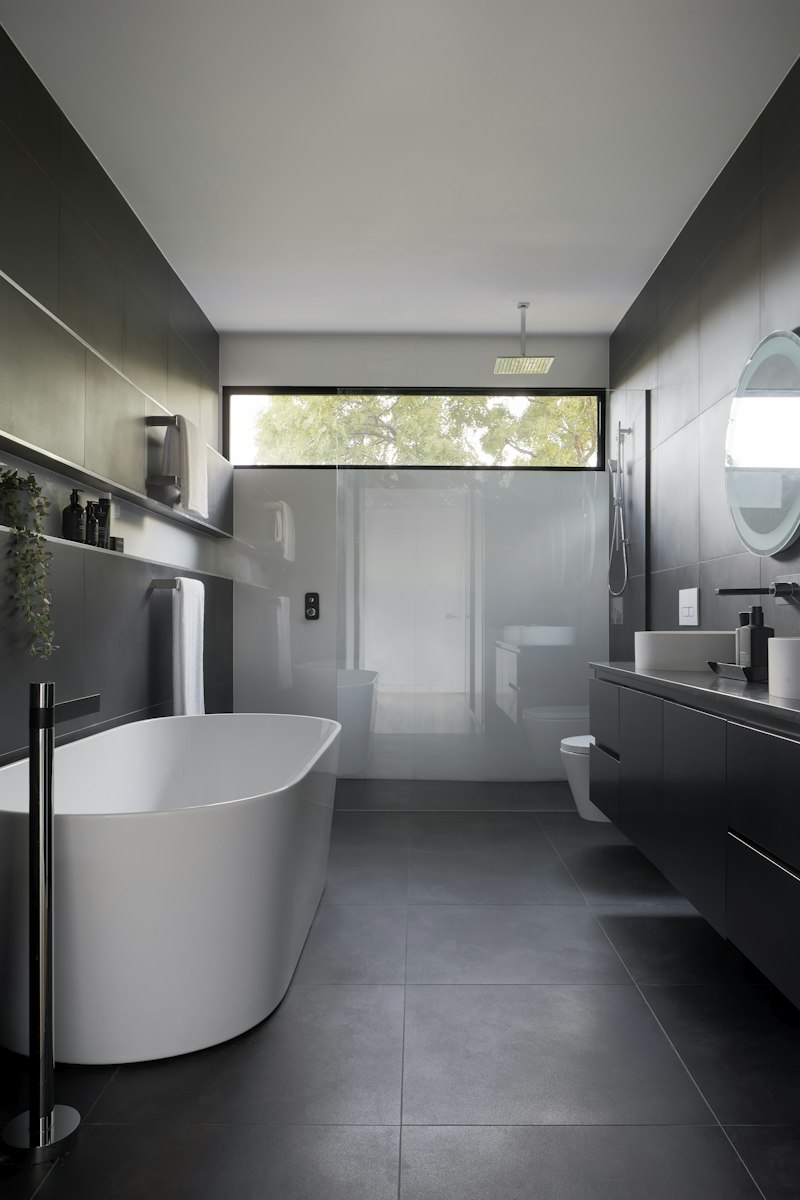
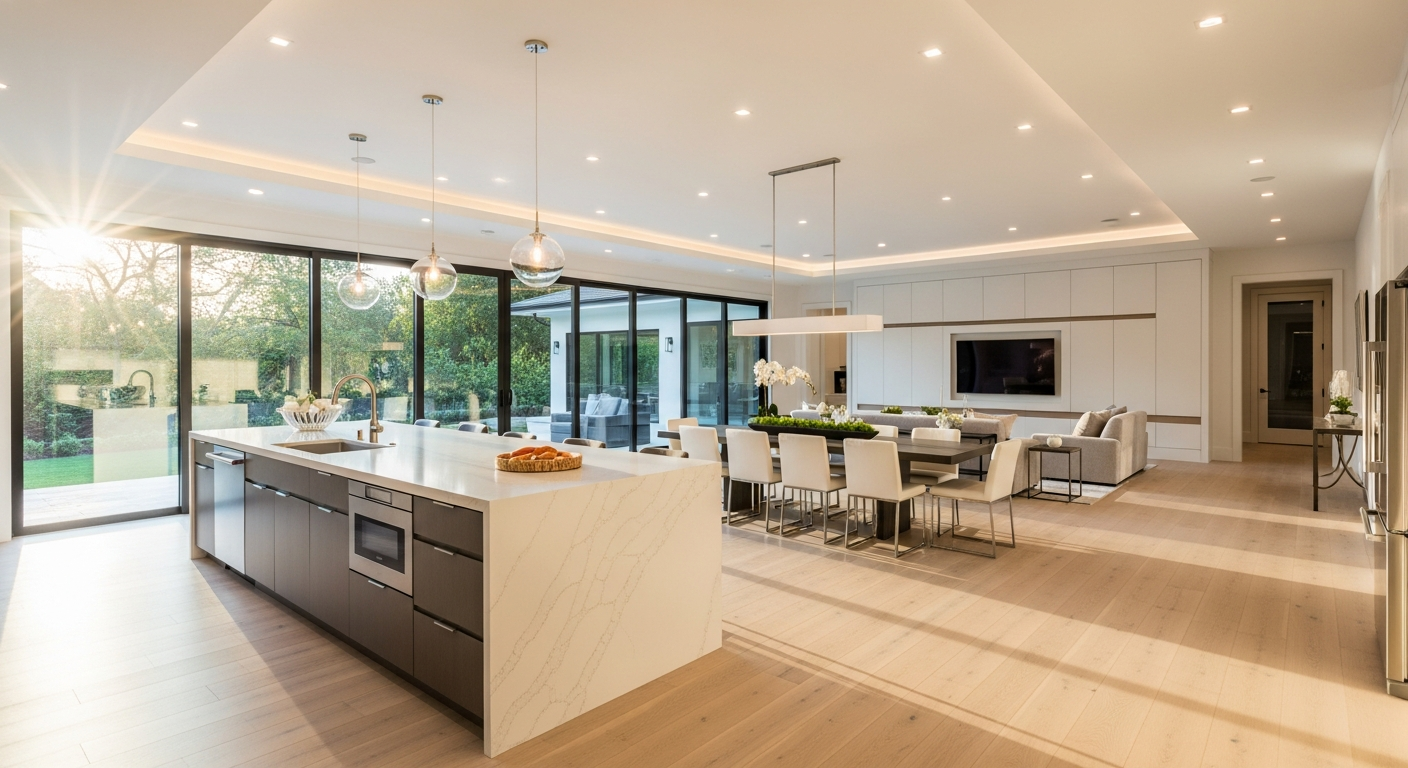
- Renovating a kitchen or bathroom beyond what was already there
- Adding a deck, patio, or other permanent structure
- Installing solar panels or other significant energy systems
From a tax standpoint, the IRS treats capital improvements differently from maintenance expenses. They are added to the property's cost basis rather than expensed in the year they occur, which affects the taxable gain calculation when the property is eventually sold.
Your Governance Agreement should define a dollar threshold above which any expenditure is automatically classified as a major improvement and triggers the formal process. A common threshold is $3,000 to $5,000 per project, though co-owners can set this wherever makes sense for their arrangement.
How the Governance Agreement Governs Improvement Decisions
The Governance Agreement is the co-ownership structure's internal constitution, and it should contain a clear framework for major improvement decisions. Without one, co-owners default to negotiating each decision from scratch, which creates friction and inconsistency.
A well-drafted Governance Agreement will specify:
Who can propose an improvement. Any member should be able to propose a capital improvement by submitting it in writing to all other members. The proposal should include a description of the scope, estimated cost, contractor bids if available, and rationale.
The notice period before a vote. Major financial decisions shouldn't be rushed. A standard period is five to fourteen days between the written proposal and the formal vote, giving all co-owners time to review contractor quotes, ask questions, and form a considered position.
How votes are counted. Votes can be weighted by ownership percentage or assigned equally per person. Both approaches have merit, and the choice should be deliberate rather than a default.
What happens when a vote passes over objection. If the vote threshold is met but one co-owner dissented, the agreement should specify whether that co-owner is still financially obligated to contribute their proportional share of the cost.
What happens when no agreement is reached. A deadlock clause that defines what happens when co-owners cannot agree on a major improvement prevents indefinite paralysis.
Vote Thresholds for Major Renovations
The vote threshold you set in your Governance Agreement reflects the values of your co-ownership group. There is no universally correct answer, but the choice has real implications.
Majority rule (more than 50%). In a group of four co-owners, majority rule means three votes can push through a major renovation that one person strongly opposes. This is efficient but can create resentment if the dissenting co-owner bears significant financial burden for a project they didn't want.
Supermajority (two-thirds or three-quarters). This approach requires broader consensus before committing to major spending. In a four-person arrangement, a three-quarters threshold means all four must agree. This protects against impulsive decisions but can create paralysis if the group is divided.
Unanimous consent. For the most significant projects, such as structural additions, room conversions, or improvements that cost more than a defined large threshold, requiring unanimous agreement ensures every co-owner is fully bought in before a major commitment is made.
Many Rhome Governance Agreements use a tiered approach: majority vote for improvements in a middle cost band, and unanimous consent for the largest projects above a higher threshold. This balances efficiency with protection.
Important note: even when a vote passes, the co-ownership entity (not any individual co-owner) contracts with the vendor or contractor. Co-owners should never individually contract for work on the shared property, as this can create confusion over liability and reimbursement.
How Costs Are Allocated Among Co-Owners
Once a major improvement is approved, the next question is how the cost is shared. The default approach in most co-ownership arrangements is proportional to ownership interest: if you own 50% of the ownership interest, you contribute 50% of the cost.
However, there are situations where a different arrangement makes sense.
Elective upgrades. If one co-owner wants higher-end finishes than the others agreed to, such as custom cabinetry when the group agreed on standard cabinets, the Governance Agreement can allow that co-owner to pay the cost difference personally. The baseline scope is a shared cost; the premium is an individual choice.
Improvements that primarily benefit one co-owner. In some multi-unit co-owned homes, an improvement to one section of the home primarily benefits the co-owner who uses that section. The agreement can specify that in these cases, that co-owner bears a larger share of the cost, or bears it entirely.
Using the repair reserve fund. If the co-ownership entity has built up a repair reserve fund, the co-owners may agree to draw from that fund to cover part or all of an approved capital improvement, rather than requiring immediate cash contributions. This smooths out large one-time costs.
Payment timing. Major renovation projects often require deposits and progress payments. The Governance Agreement should specify how quickly co-owners must contribute their share once a vote passes, to avoid situations where one co-owner is personally covering costs while waiting for others.
ROI Considerations for Co-Owners
Capital improvements can increase the value of the home, but not always by as much as they cost. Understanding return on investment helps co-owners make better decisions together.
Kitchens and bathrooms consistently deliver the best ROI among major renovations in most markets. Curb appeal improvements, including landscaping, exterior paint, and front doors, also tend to hold their value. Highly personalized upgrades, custom finishes, or niche features that appeal to a narrow range of buyers often recover less of their cost at sale.
For co-owners, there's an additional layer of analysis: because everyone will eventually exit the home through either a Swap or a sale, the benefit of any improvement must be shared equitably. A renovation that one co-owner championed and paid for proportionally should increase the home's value in a way that benefits all co-owners when they exit.
Before approving a major improvement, it's worth getting a rough estimate of its impact on market value. A local real estate agent or appraiser can provide informal guidance. If a proposed $40,000 kitchen renovation is likely to add $30,000 to the home's value, the co-owners should collectively understand they are spending $10,000 above the recoverable amount, essentially an amenity cost that improves their quality of life but not their equity position.
This calculation doesn't mean the improvement is wrong. Improved quality of life has real value for people who live in the home. But the decision should be made with clear information.
Documenting Improvements for Tax and Resale Purposes
Documentation is the unglamorous but essential final step of any major improvement. Proper records protect all co-owners at sale time and substantiate tax positions throughout the holding period.
For every capital improvement, the co-ownership entity should maintain:
Contractor agreements and invoices. Keep the original signed contract, all invoices, and proof of payment. These establish what was done and what it cost.
Permits and inspection records. Permitted work comes with an inspection record that confirms the work was done to code. These records are often requested by buyers during due diligence.
Before-and-after documentation. Photographs of the space before and after the improvement, taken with timestamps, provide useful context and can help resolve disputes if questions arise later.
Cost basis log. The co-ownership entity should maintain a running record of all capital improvements, with dates and amounts, to track the cumulative adjustment to the property's cost basis. This log is essential input for the accountant who prepares the entity's tax return and, eventually, the calculation of taxable gain at sale.
Warranty documentation. Many major systems and appliances come with manufacturer warranties. Keep these on file so any co-owner can access them if a warranty claim becomes necessary.
All of these records should be stored in a shared location that every co-owner can access, such as a shared cloud folder. Rhome's platform provides a shared document repository specifically for this purpose. Physical documents should have at least one digital backup.
Major home improvements are a normal part of homeownership. With the right structure and documentation, they don't have to be a source of conflict. The Governance Agreement creates the decision-making framework, the vote ensures collective buy-in, and the records protect everyone's interest over the life of the co-ownership.